




A Summary of Wild Bird Species Found on Miyako Island! From Blue Birds to Large Birds and Rare Birds—Complete with Their Calls
What kinds of wild birds can be seen on Miyako Island?
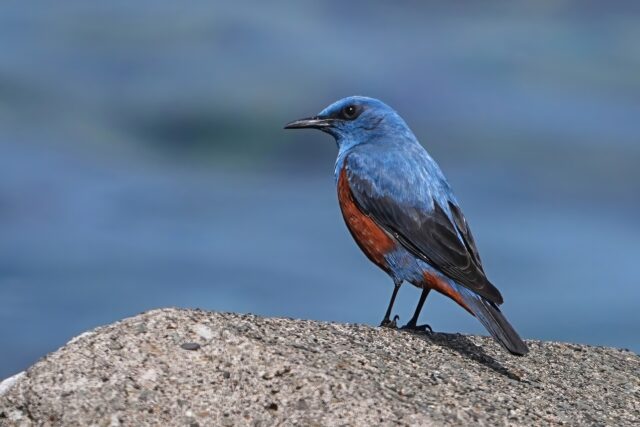
On Miyako Island,Island ThrushYou can encounter a variety of unique wild birds, such as the Japanese Sparrowhawk and the Kingfisher.
With a wide variety of birds—from bluebirds and blackbirds to large birds of prey—it’s a popular spot even for beginner birdwatchers.
In this column, we’ll provide an overview of the types of wild birds found on Miyako Island, their calls, and the best times and spots to see them.
◆ For those who want to learn more about the species of wild birds on Miyako Island
◆ For those who want to enjoy birdwatching on Miyako Island
◆ For those who saw a rare bird while traveling in Miyako Island and were curious about it
Click here to see the ranking of popular tours in Miyako Island.
Miyako Island's Blue Bird: Types of Colorful Birds
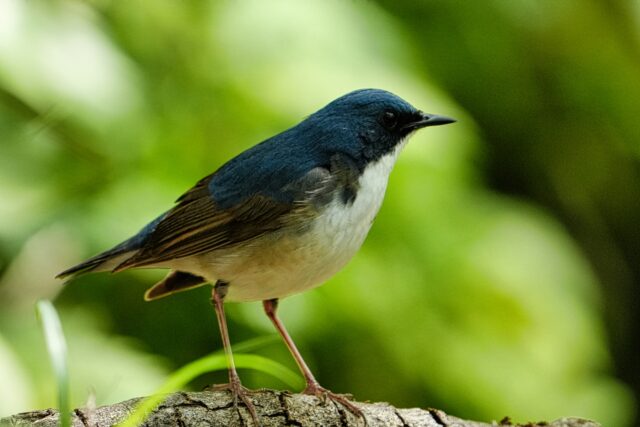
Many people on Miyako Island say, “I saw a bluebird!”—a sight that surprises visitors.
TypicalThe Blue BirdI'll introduce them one by one, starting with those that have beautiful, colorful plumage.
Island Thrush
(The quintessential Blue Bird)
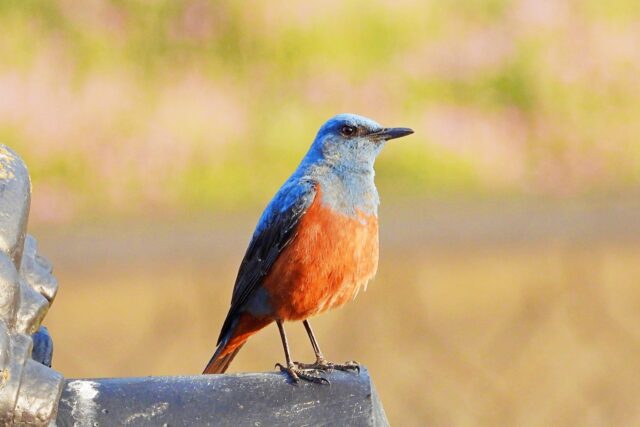
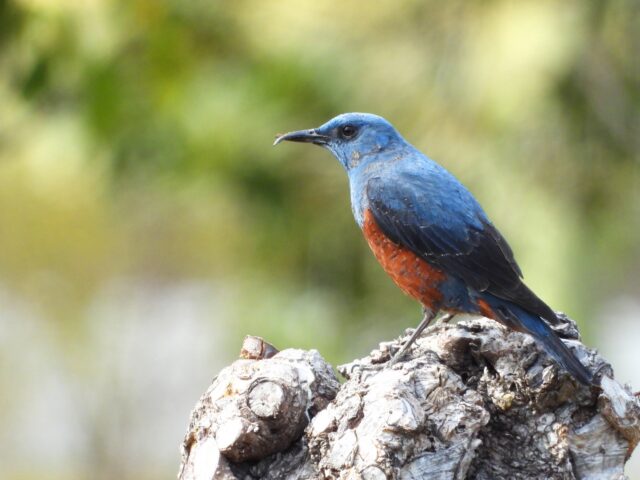
The blue bird most commonly seen on Miyako Island is the rock thrush.
Males have markings extending from their heads to their backsVivid blueThe chest area features a distinctive two-tone orange color scheme.
They are often seen on rocky shores and atop buildings in the city, where they treat us to their clear, beautiful songs.
Another appealing feature is that they’re relatively unafraid, making them easy to observe up close.
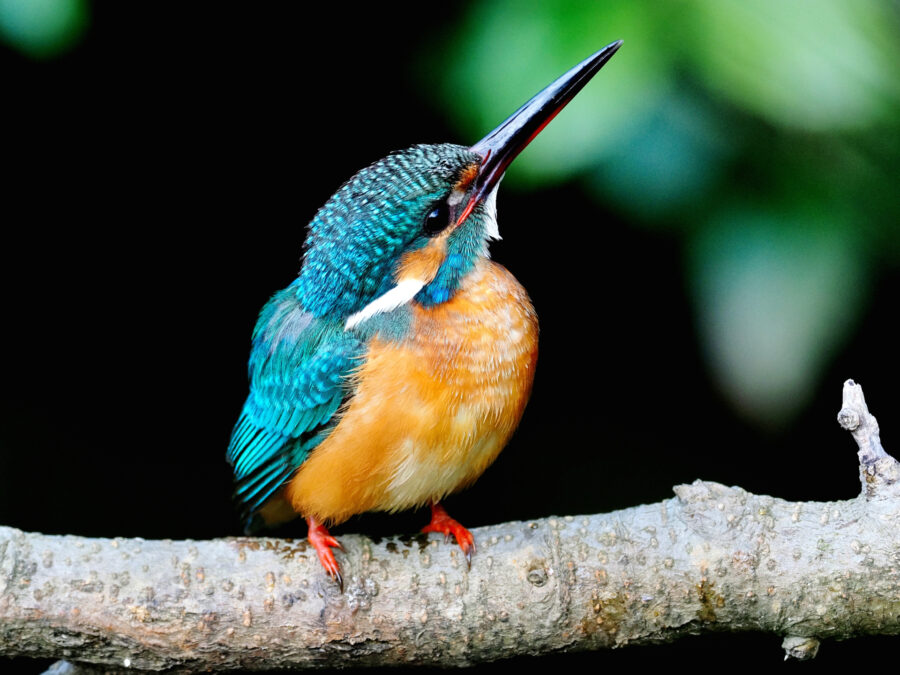
Kingfisher
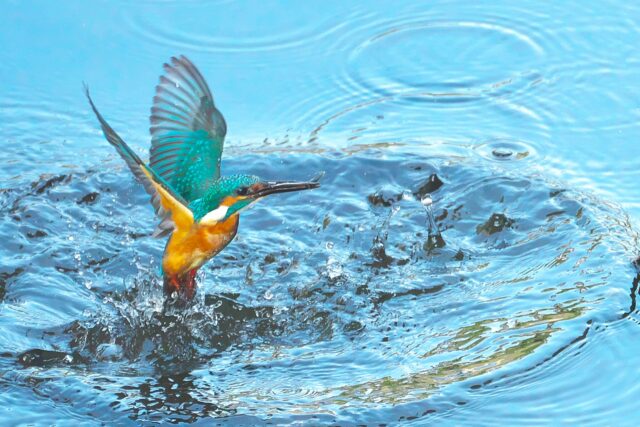
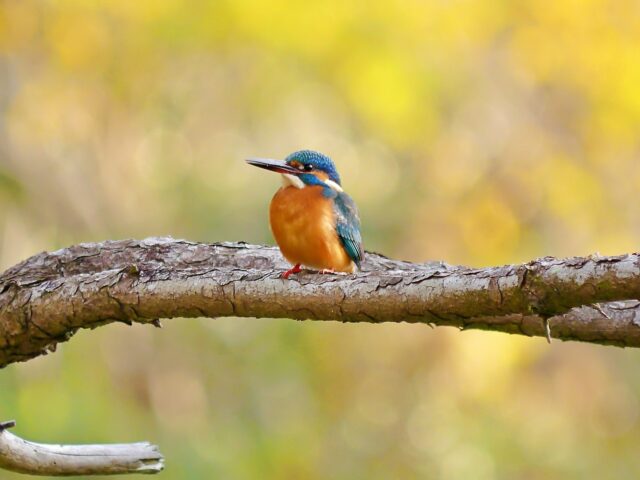
."Flying GemThe kingfisher, also known as "," is a beautiful bird with striking emerald-green and orange plumage.
On Miyako Island, they live along the banks of rivers and ponds, and the moment they dive into the water to catch fish is truly a sight to behold!
Although small, it has a striking presence and is a popular species among birdwatchers.
Blue-and-white Flycatcher
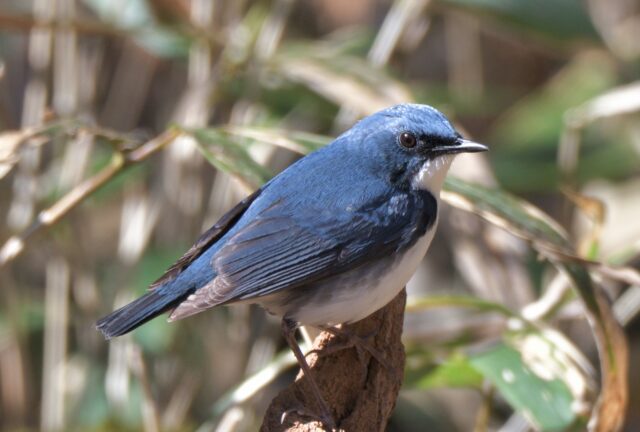
The blue-and-white flycatcher is mainlySpring and Fall MigrationThese are migratory birds that pass through Miyako Island during this time of year.
Males have a vivid lapis lazuli-blue back and a beautiful song, and are known as the “bird that heralds spring.”
Since they prefer to stay in the thickets, you don't often see them, but you'll usually notice them by their calls.
Ryukyu Scops Owl
It is a nocturnal owl that inhabits the forests of Miyako Island in Okinawa.
Greenish-brown feathers andBig Yellow EyesIt is distinctive, and its low "ho-ho" call echoes through the forest at night.
During the breeding seasonMay–AugustDuring this time, you'll have more chances to hear them call.
Types of Black Birds on Miyako Island
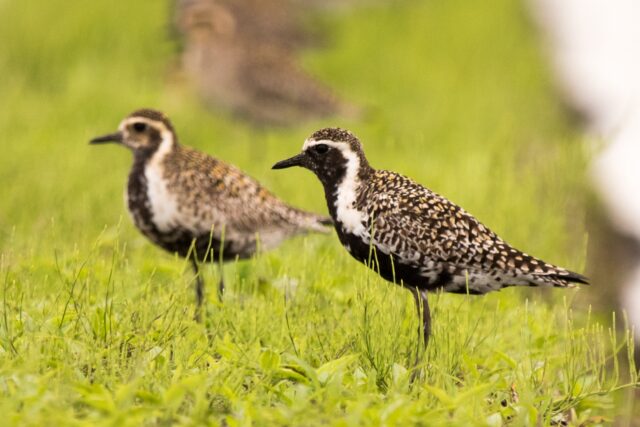
In Miyako IslandDark-colored bodyYou can also see many of these birds.
At first glance, they may seem unremarkable, but upon closer observation, they are all species with fascinating ecology and behavior.
Black-breasted
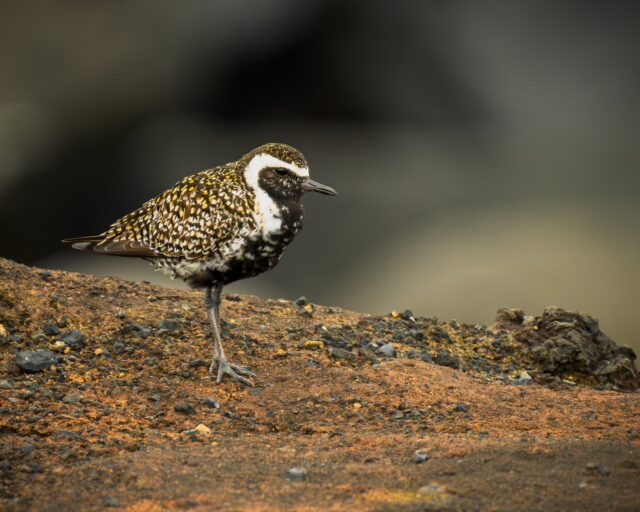
The Black-breasted Sandpiper is a member of the sandpiper and plover family that migrates to Miyako Island from fall through winter.
In breeding plumage,Black from the face down to the chestThat is the origin of the name.
They are commonly seen in the mudflats and farmlands of Yonaha Bay and often move in flocks.
Since their winter plumage turns brownish-red, their appearance changes dramatically depending on the season.
Van
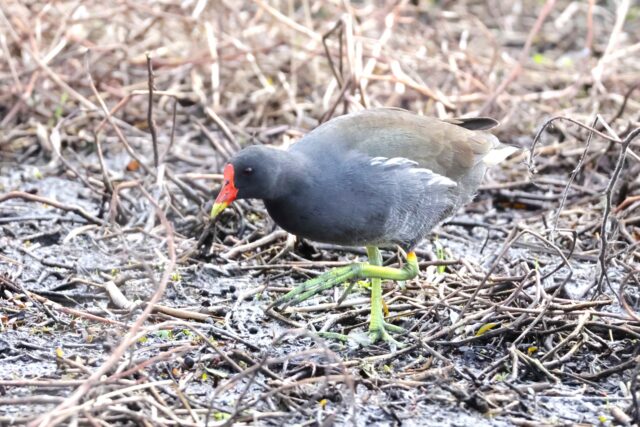
The van has a black body,Red BeakThis is a waterbird with a striking bill.
They inhabit the ponds and wetlands of Miyako Island, where they can be seen swimming as if they were walking on the water's surface.
Its distinctive "kyokkyok" call is also a defining feature—once you hear it, you'll never forget it.
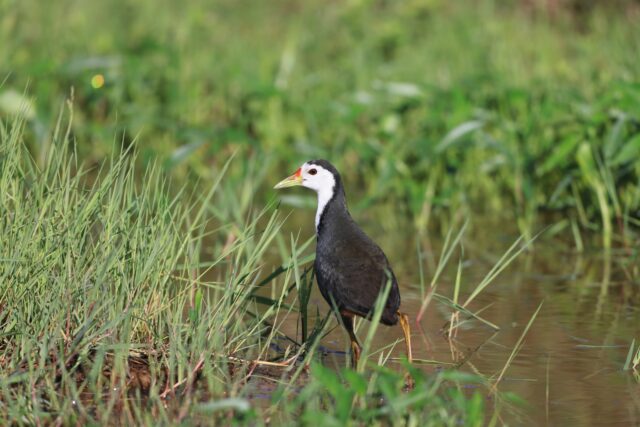
White-throated Crake
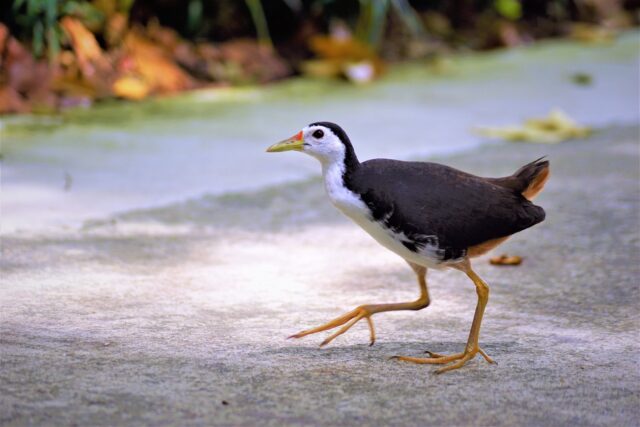
The White-bellied Crake has a blackish-gray body,White BellyIt is a member of the rail family that stands out.
They are not good at flying and often move by walking on the ground, darting quickly through grassy areas and thickets.
In Miyako IslandThroughout the yearIt is a resident bird that can be observed and is often seen around farmland and wetlands.
Types of Large Birds on Miyako Island
Miyako Island is also home to some impressive, large birds.
The sight of them soaring gracefully through the sky isA real treat to watchAnd once you see it, it leaves a lasting impression that you’ll never forget.
gray-faced buzzard
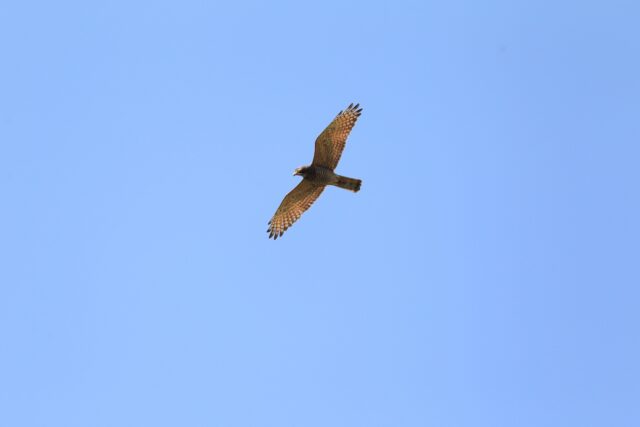
The Japanese Sparrowhawk is one of Miyako Island’s most iconic birds of prey, and every fallin the thousandsIt is famous for the spectacular view that greets visitors as they cross.
especiallyAround OctoberDuring migration season, you may even see "hawk columns"—huge flocks of hawks circling overhead.
With its striking brown plumage and piercing gaze, it can often be seen hunting mice and frogs in farmlands and along forest edges.
Great Blue Heron
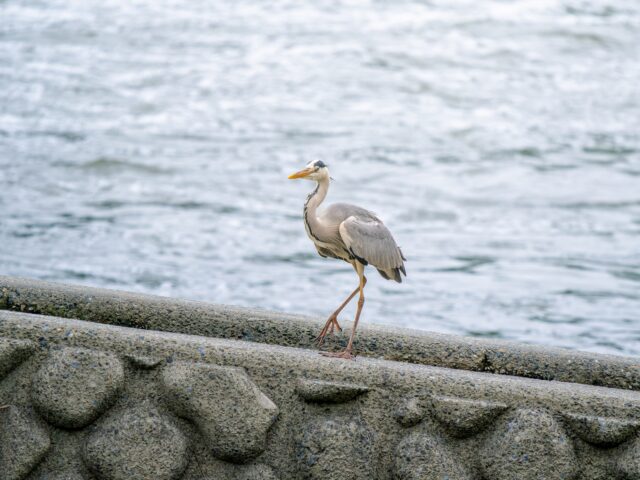
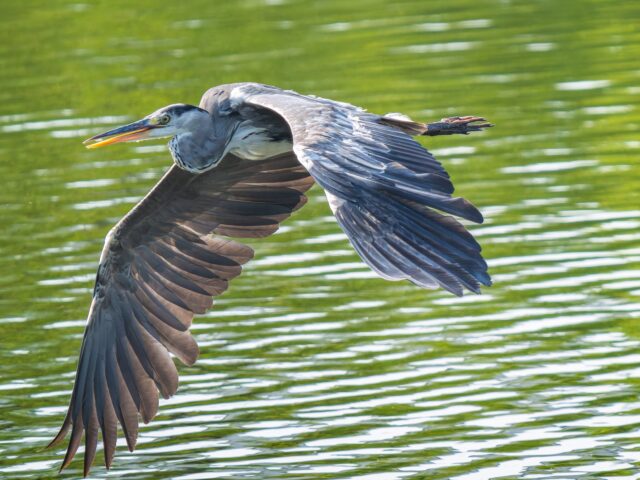
The Great Blue Heron, one of Japan's largest herons, is,About 90 cm in lengthIt is a large bird.
It can be seen along the coast, in rivers, and in rice paddies on Miyako Island; the way it stares intently at the water’s surface while hunting for fish makes it look just like a sculpture.
The sight of it spreading its large wings as it flies is truly impressive.
Great Egret
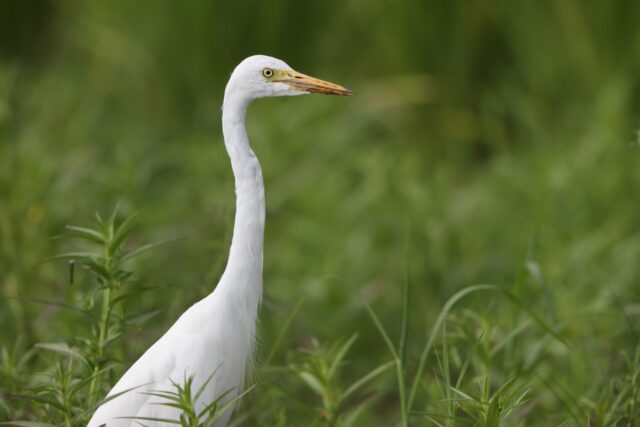
The Middle Egret's entire bodyA pure white medium-sized heronIt is.
On Miyako Island, they can be found in farmlands and wetlands, and you can observe their endearing behavior as they walk behind tractors, picking up and eating insects.
During the breeding season, the skin on its face turns bluish-green, giving it a slightly different appearance.
Rare, Flightless Birds Found on Miyako Island
On Miyako Island, there are birds with somewhat unusual ecological characteristics, as well as,Rare Birds...also live there.
Here are some of the types that caught my attention.
Is the Yanbaru Rail found on Miyako Island?
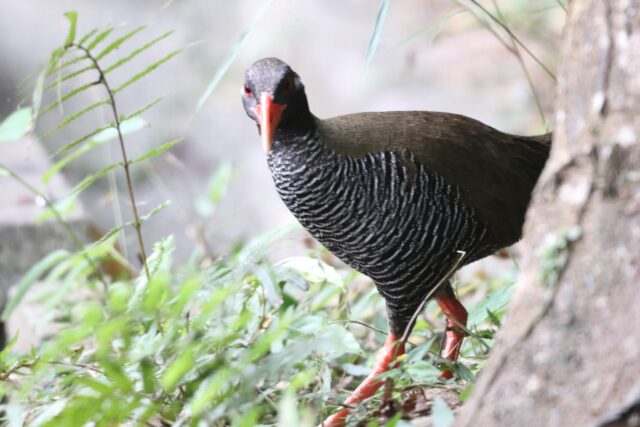
The Yanbaru Rail is famous as a “bird that cannot fly,” but in fact,They do not live on Miyako Island.The following is a list of the most common problems with the
The Yanbaru Rail is an endemic species found only in the northern part of Okinawa Island (the Yanbaru region), so it cannot be seen on Miyako Island.
If you see a similar bird on Miyako Island, it’s most likely a white-bellied coot or a moorhen.
Ecology of the White-bellied Crake
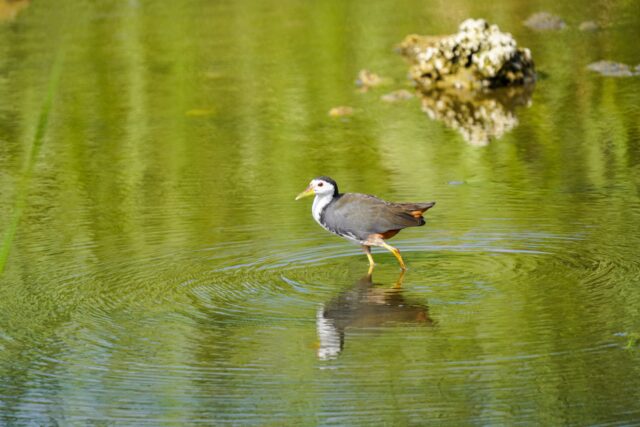
Although the White-bellied Rail is often confused with the Yanbaru Rail, on Miyako Island,Relatively commonTypes.
Although they can fly, they prefer not to and tend to run quickly around on the ground.
They often hide in the grass and are most frequently seen in the early morning or evening.
If you spot one, try observing it quietly.
A Compilation of Wild Bird Calls on Miyako Island
As I walk around Miyako Island, I see all kinds of birds...Cries...can be heard.
Birdwatching becomes even more fun when you can identify a species by its call, even if you can't see it.
Cries Heard During the Day
A typical call heard during the day is that of the Rock Thrush,A clear, high-pitched trillThere are
It is known for its call, which sounds like it’s singing a complex melody: “Pikoloro.”
You can also hear the white-throated sparrow’s high-pitched “hee-hee-hee” call in farmlands and grasslands.
During the blue-and-white flycatcher's migration season, you can also enjoy its beautiful "pee-lee-lee" song.
Cries Heard at Night
When night falls, calls that are completely different from those heard during the day fill the night air on Miyako Island.
The low "ho-ho" call of the Ryukyu Scops Owl and the Ryukyu Leaf Owl’s"Cough, cough."I can hear that voice coming from the forest.
The key to nighttime birdwatching is to walk quietly while carrying a flashlight.
Click here to see the ranking of popular night tours in Miyako Island.
↓Click here for recommended night tours.



Birdwatching on Miyako Island
Best Times to Visit and Recommended Spots
To get the most out of birdwatching on Miyako Island, it’s important to choose the right time of year and the right spots.
Since the birds you can see change with the seasons, be sure to plan your trip based on the birds you want to see.
Recommended Times by Season
(The spring and fall migratory bird seasons are the best times to visit.)
The best season for birdwatching on Miyako Island isSpring (March–May) and Fall (September–November)It's migratory bird season.
Spring is the season when summer birds such as the Blue-and-white Flycatcher and the Yellow-browed Warbler arrive, increasing your chances of spotting colorful birds.
Fall is the season to see "hawk columns"—large flocks of Japanese sparrowhawks migrating—with the peak occurring from early to mid-October.
During the winter (December through February), many overwintering birds, such as the Black-breasted Thrush, can be seen, making this an ideal time to observe sandpipers and plovers.
↓Click here to read the article.


Three recommended spots
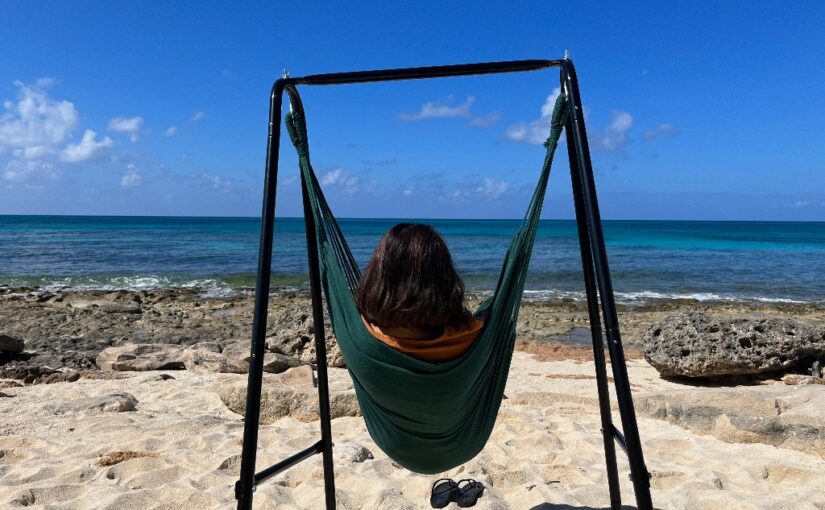
Enjoy Birdwatching on Miyako IslandspotHere are three examples.
Please choose the one that best suits your goals and convenience.
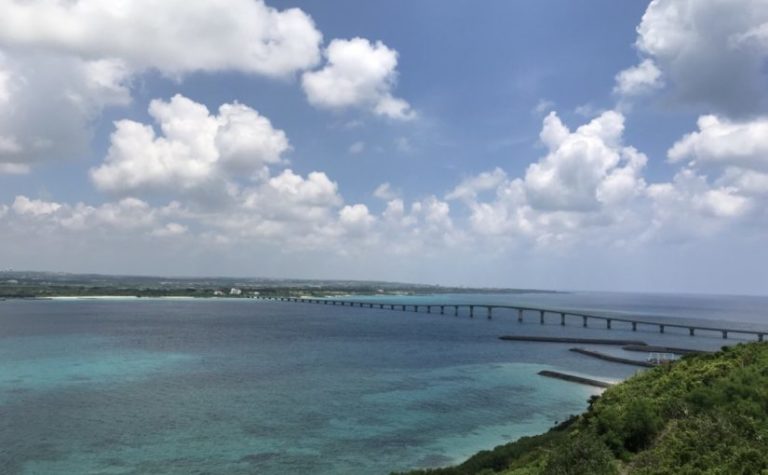
Yonaha Bay
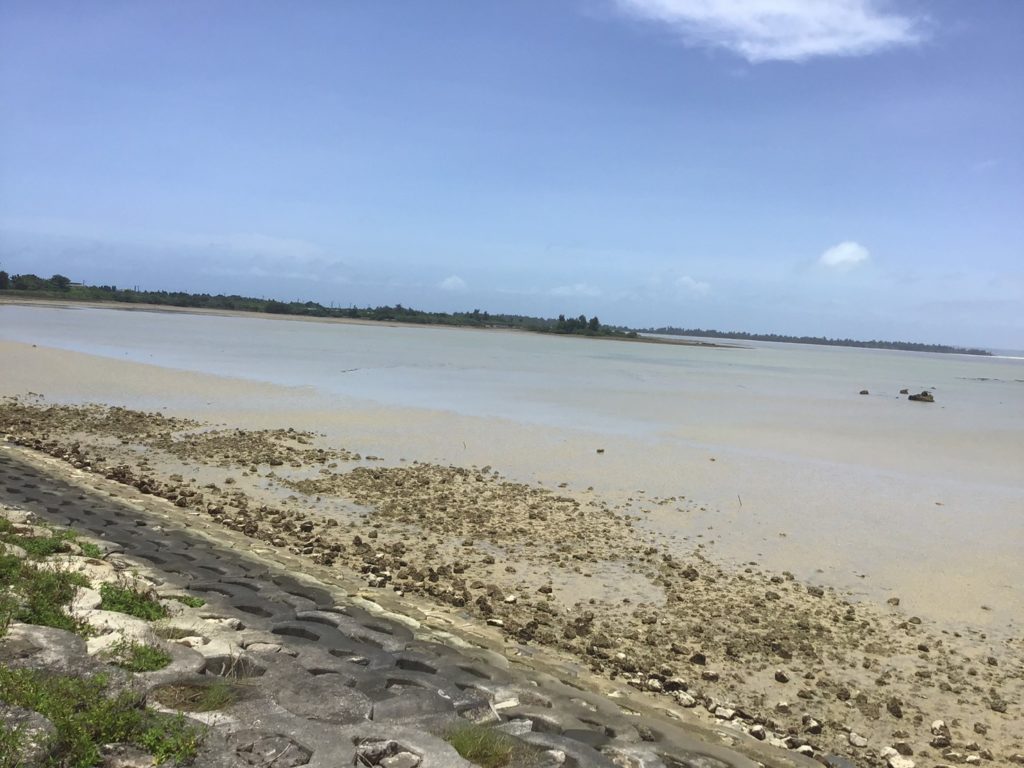
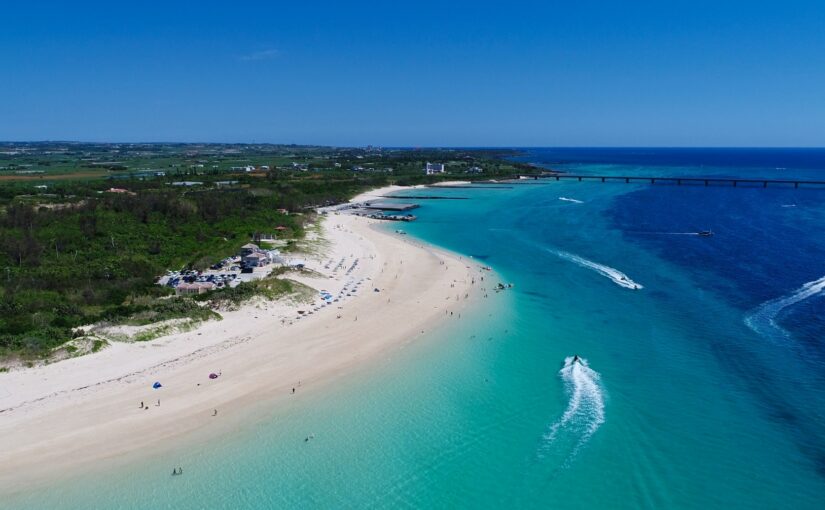
Yonaha Bay, which stretches across the southern part of Miyako Island, features extensive tidal flats and shallow waters.A Great Spot for BirdwatchingIt is.
Large numbers of black-breasted gulls and various species of sandpipers and plovers gather here, and during the season, flocks ranging from several dozen to several hundred birds can sometimes be observed.
I recommend timing your visit for when the mudflats are exposed at low tide.
Access: 10 minutes by car from Miyako Airport
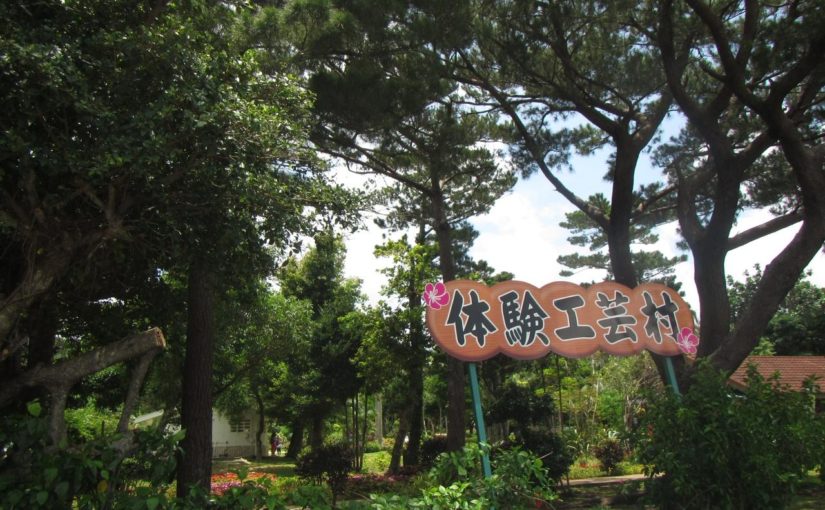
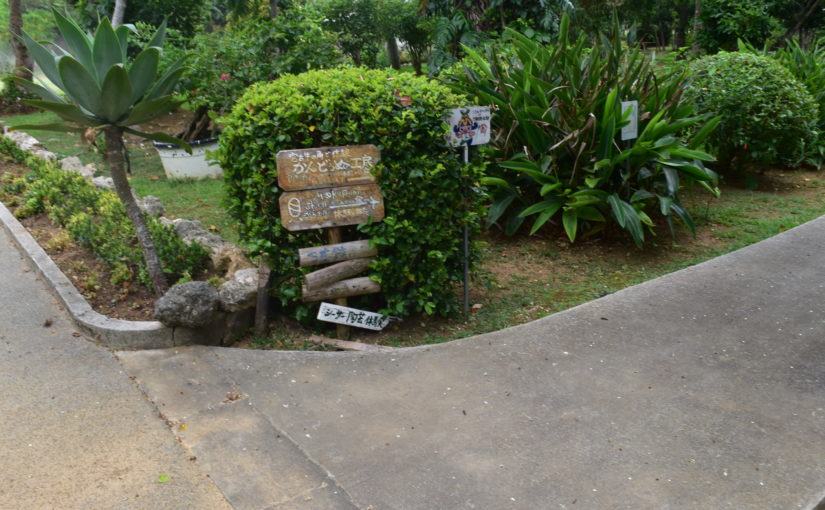
Miyakojima City Tropical Botanical Garden
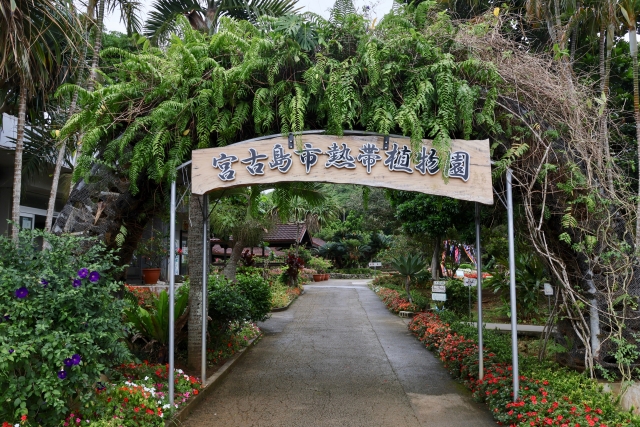
This tropical botanical garden, easily accessible from downtown Miyako Island, offers a lush, green setting where you can spot a variety of wild birds.
You can watch birds such as the Japanese white-eye, the Japanese wood pigeon, and the white-bellied water rail roaming around the park, making it a spot that’s easy for beginners to visit.
Free AdmissionIt's also nice that it's possible.
Access: 10 minutes by car from Miyako Airport
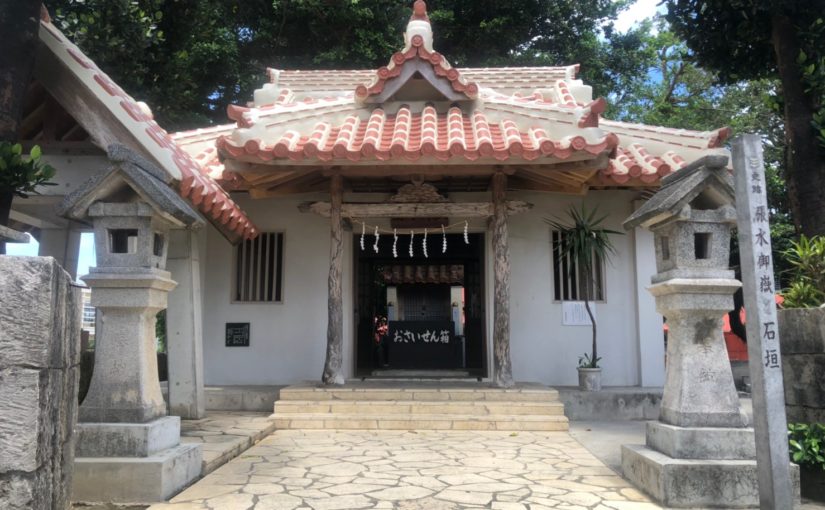
The Area Around Harusui Ontake
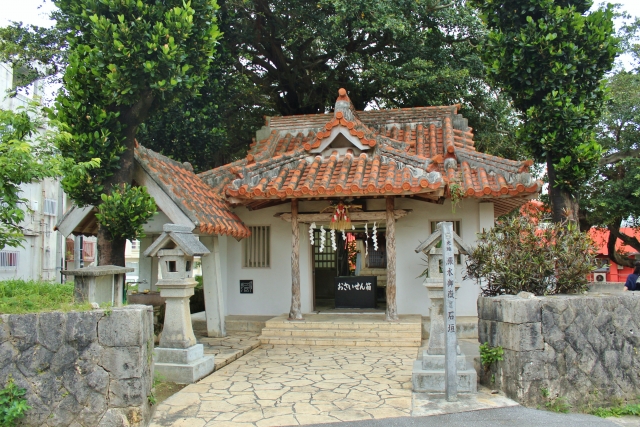
The area surrounding Harimizu Utaki, known as a sacred site on Miyako Island, is a quiet, lush forest.
Nocturnal birds such as the Ryukyu Scops Owl and the Ryukyu Tawny Owl also inhabit the area, andEarly mornings and eveningsIf you visit there, you'll see many wild birds.
Access: 15 minutes by car from Miyako Airport
Tips on What to Bring and What to Wear
For birdwatching,BinocularsIt's handy to have one.
We recommend models with a magnification of about 8 to 10x, as they are easy to use.
When choosing what to wear, opt for colors that blend into the natural surroundings, such as green or brown, so as not to startle the birds.
The sun is very strong on Miyako Island, so a hat and sunscreen are essential.
Early morning is a time when birds are very active, so,Around 6:00 a.m.Once you arrive there, you'll have more opportunities to meet people.
↓Click here to read the article.


About Wild Birds on Miyako Island
Frequently Asked Questions (FAQ)
summary
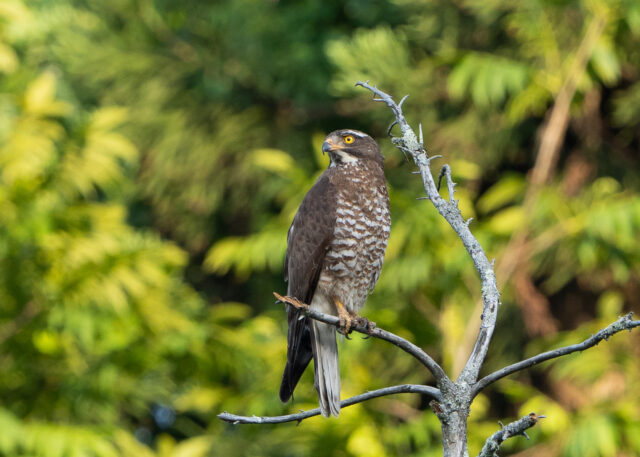
On Miyako Island, you can encounter a variety of unique wild birds, including the blue rock thrush, the kingfisher, the large Japanese sparrowhawk, and the nocturnal Ryukyu scops owl.
The best seasons for birdwatching are spring and fall, during the migratory bird seasons.
There are plenty of great spots to explore, such as Yonaha Bay and the Tropical Botanical Garden. Be sure to check them out when you visit Miyako Island.BirdwatchingGive this a try, too!
↓Click here to read the article.