

Detailed introduction to the ecology, breeding, and toxicity of Miyako toads, which live only on Miyako Island.
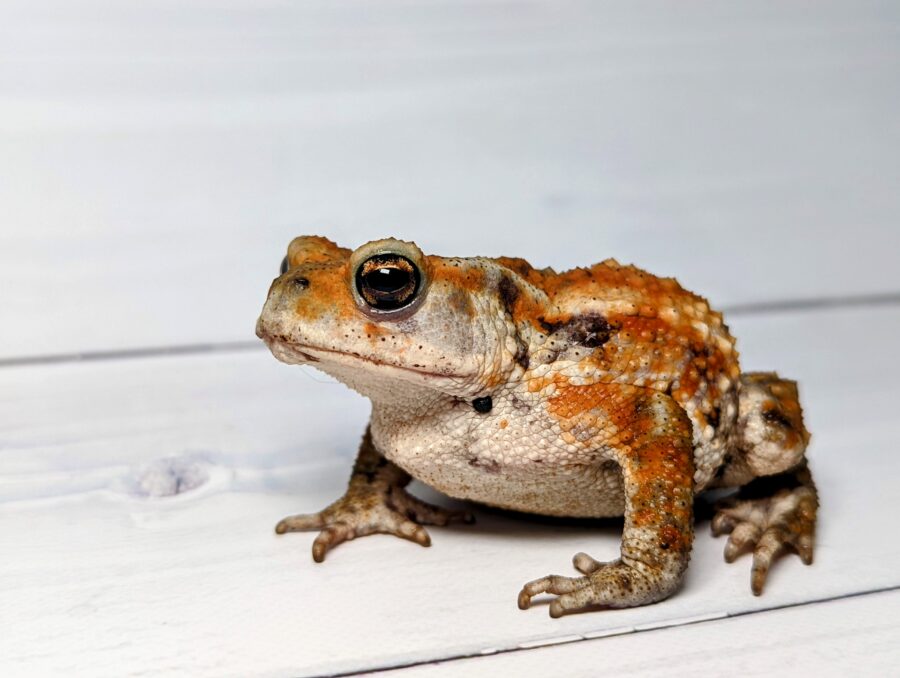
Found only on Miyako Island
What is a Miyako toad?
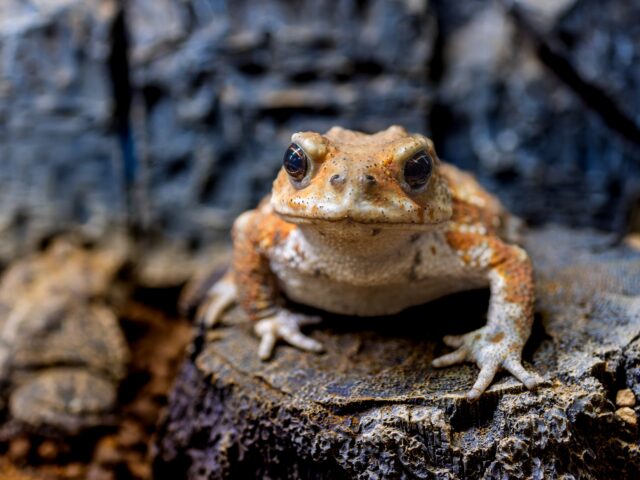
In this column,Amphibians endemic to Miyako IslandThis section provides easy-to-understand explanations of the ecology, toxicity, breeding methods, and rules regarding the sale and taking home of Miyako toads.
Whether you are planning a trip to Miyako Island or considering raising a child, here is all the information you need to know!
You are looking for information on how to keep Miyako toads.
Interested in Miyako toads in Miyako Island?
To learn how to safely treat Miyako toads
Click here to see the ranking of popular tours in Miyako Island.


Basic information on Miyako toads
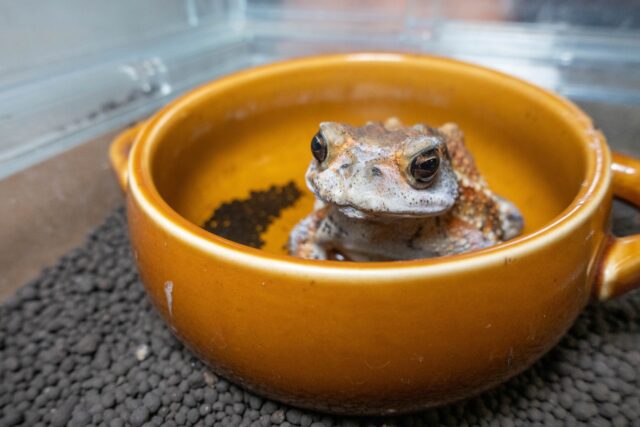
The Miyako toad, scientific name "Bufo gargarizans miyakonis" and English name "Miyako toad," is a species of toad.
Representing Miyako IslandEndemic amphibiansIt is known as a "pet" and is popular as a pet because of its adorable appearance.
Here is a summary of basic information on size, lifespan, habitat, etc.
Size and body features
The length of the body is6 cm to max. 12 cmThe female grows slightly larger than the male.
Compared to the toads that inhabit the mainland, they are compact, characterized by a wide space between the eyes and relatively well-developed hind limb pudendum.
Wart-like projections on the body surface and behind the ears secrete venomotolarynxWe have a
What is the life expectancy?
The lifespan of the Miyako toad in the wild is affected by natural enemies and environmental changes.About 5 to 10 yearsIt is considered to be a
In captivity, on the other hand, under the proper environment and care10-15 yearsSometimes you can live as long as you want.
There does not appear to be a significant difference in lifespan between males and females.
If you want to be with them for a long time, it is important to create a breeding environment that reduces stress.
Habitat and Ecology
Miyako toads are found on Miyako Island, Irabu Island, Ikema Island, Shimoji Island, etc.the Miyako ArchipelagoThe species is found in the
Lowland fields, grasslands, and sugarcane fields are their main living areas,nocturnal habitThe species is often still under fallen leaves or behind rocks during the daytime because of the
At night they can be seen in open areas and on roads.
They feed on land shellfish, earthworms, and insects.
Toxicity of the Miyako toad
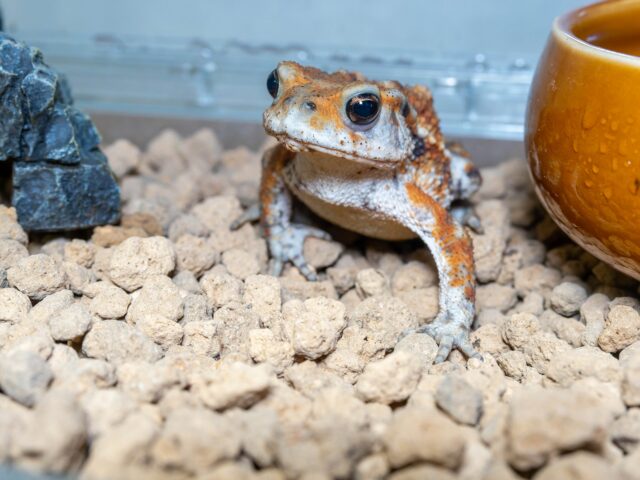
The Miyako toad is known as a poisonous frog.
Nevertheless,sound knowledgeYou don't need to be more afraid than you have to be if you have
Knowing what kind of poison it is and how it affects humans and pets is the first step to being safe and involved.
Let's look for creatures unique to Miyako Island!
Click here for ⬇︎ recommended night tours.

What kind of poison is it?
Mya mya toad is a toad that is found in the ear glands behind the ears and in the venom glands of the skin.Bufotoxin."It secretes a poison called
Bufotoxin is a tonic substance composed of several steroidal components and is known as the poison of toads in general.
However, in captivity, they are rarely threatened by external enemies, so it is said that they rarely secrete poison unless it is very serious.
What are the effects on humans and pets?
Most human exposure to small amounts of venom causes only mild skin irritation.
However, if a dog or cat licks or bites a toad, the poison can be absorbed through the mucous membranes of the mouth, causing symptoms such as drooling, vomiting, diarrhea, and irregular heartbeat.
Causes serious symptomsTherefore, great care should be taken when visiting Miyako Island with pets.
Is it safe to touch? How to touch safely
Touching a myaquat toad is not in itself immediately dangerous, but after touching itAlways wash your handsIt is an ironclad rule that
If you are keeping them, we recommend that you avoid handling them with bare hands and use disposable plastic gloves.
In addition, avoid touching the myaquatid toad unnecessarily, as being touched is stressful in itself.
Miyako toad (Bufo gargarizans miyakonis, a subspecies of the Asiatic toad family)
No sale or take-out?
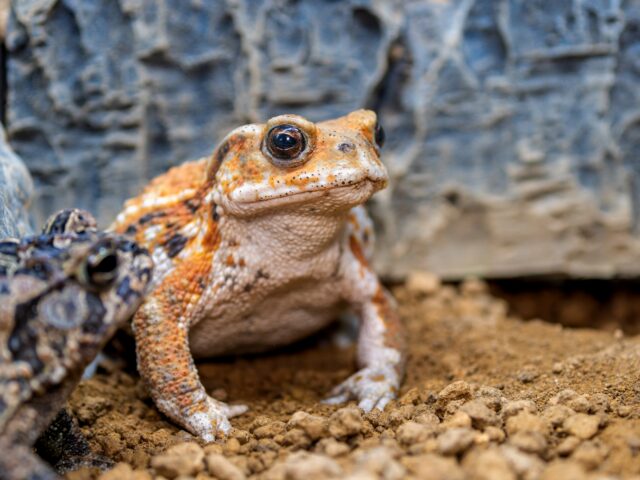
Can I buy a Miyako toad? "Is it safe to bring them home as souvenirs from my trip?" Many of you may be wondering, "Is it safe to buy Miyako toads?
Sales and takeawaysruleis a bit complicated, so it is important to understand exactly what it is.
Let's look for creatures unique to Miyako Island!
Click here for ⬇︎ recommended night tours.
Reasons why sales are prohibited
The Miyako toad itself is not subject to a total ban on sales by national law at this time.
However,Miyakojima City Natural Environment Preservation OrdinanceThe catching of these fish is prohibited on Miyako Island by the
For this reason, most of the individuals circulating in the market are either captured individuals from Minami-Daito Island or bred by breeders.
In March 2025, the Japanese Reptile and Amphibian Society requested the entire industry to refrain from handling wild-caught animals, and the nature of sales is under review.
Can it be brought back from Miyako Island?
Miyakojima City Natural Environment Preservation OrdinanceThe capture of Miyako toads is prohibited on Miyako Island due to the
It is not permitted to take them home with you as souvenirs from your trip.
In addition, if they were to be brought back and released in other areas, there is concern about hybridization with related species and the impact on the ecosystem.
If you encounter a Miyako toad on Miyako Island, just observe it.
Penalty for violation
If the catch or removal of the animals violates the Miyakojima City Natural Environment Preservation Ordinance,Penalties under the OrdinanceThe subject of this report is the following
We understand the temptation to take them home with you out of cuteness, but it is an important rule established to protect the local nature.
We want to follow the rules carefully in order to preserve the rich ecosystem of Miyako Island for the future.
How to Keep Myako Toads
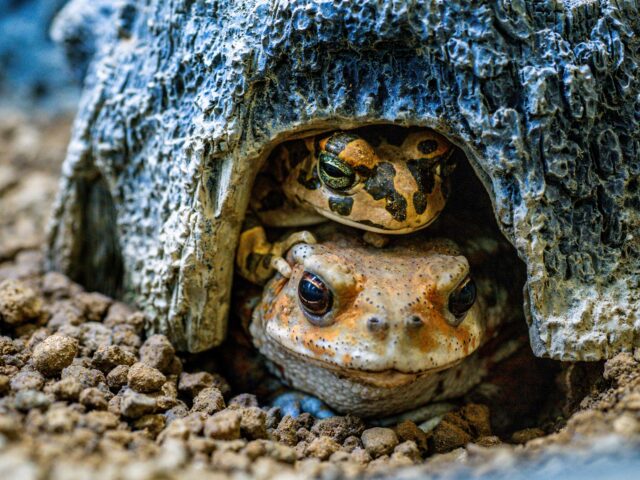
The Miyako toad is hardy and relatively easy to keep, making it a popular species for reptile and amphibian novices.
However, it is a poisonous creature and not to be missed.accountabilityDon't forget to
Here is a summary of key points for keeping environment, food, and temperature/humidity control.
Preparation of environment and cage for breeding
Miyako toads are terrestrial frogs and do not live in trees or in the water.
The bottom.60cm x 45cm or morecage is a good rule of thumb, and plastic cases can also be used.
A vented lid is essential to prevent the frogs from escaping.
Setting up a shelter (hiding place) can also help reduce stress.
Recommended food and feeding methods
Myako toads are basicallyI only eat things that move.Therefore, live bait is the main focus.
Crickets, grasshoppers, mealworms, and bait cockroaches are standard.
The frequency of giving is2 to 3 times a weekA calcium pill or other supplement sprinkled on the food is a good rule of thumb for health management.
Remove leftover food as soon as possible, as it can lead to deterioration of hygiene in the cage.
Key points for temperature and humidity control
The best temperatures for breeding arearound 25 degrees Celsiusis the standard.
Ensuring ventilation is important, as hot and humid environments can cause steaming.
Keep the flooring material dry, but keep water containers in place at all times.
If you use tap water, do not forget to remove the chlorine.
Specialized flooring materials such as Frog Soil can be used to create a nice-looking and comfortable environment.
Points to keep in mind when breeding
Although the Miyako toad is a hardy species and easy to keep, there is concern about hybridization with related species and adverse effects on the ecosystem if it should escape.
Thoroughly manage the breeding facilities,Never let them escape into the wild.It is the responsibility of the keeper to
Because of the risk of poisoning when handling with bare hands, gloves should be used or hands should be washed after every touch.
To Miyako Toad in Miyako Island
Where you can meet
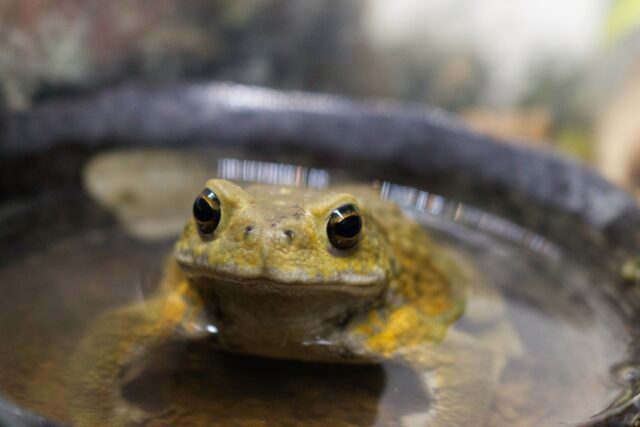
If you encounter a Miyako toad while traveling on Miyako Island, it is a very lucky experience!
However, there are manners and rules for how to meet and what to do afterwards.
whatLocation and timeto see if they are likely to meet and how they should act when they do.
When and when you can observe
Miyako toad (Bufo gargarizans miyakonis, a subspecies of the Asiatic toad family)nocturnal habitThe best time to observe the sun is after sunset and during the nighttime because of the
especiallyAfter rain or at night when humidity is highare active, so the probability of encountering them is much higher.
You can often spot them in farmland, along grassy roads, and around sugar cane fields.
Why not explore Miyako Island at night with a flashlight?
Click here to see the ranking of popular night tours.
↓Recommendations for night tours are here↓.


Meet the Miyako toad.
Three recommended spots
In Miyako Island, Miyako toads are also found inAreas prone to sightingsThere are several
Walking slowly at night with a flashlight in hand, you may encounter unexpected encounters!
(1) Shimajiri mangrove forest area
Located in the northern part of Miyako IslandAround the mangrove forests of Shimajiriis humid, an environment favored by the Miyako toad.
Walking along the surrounding farm roads at night, you may encounter Miyako toads moving leisurely in the grass or along the side of the road.
Because the area is rich in nature, be sure to visit with insect repellent.
Access: 20 minutes by car from Miyako Airport
Miyakojima City Tropical Botanical Garden
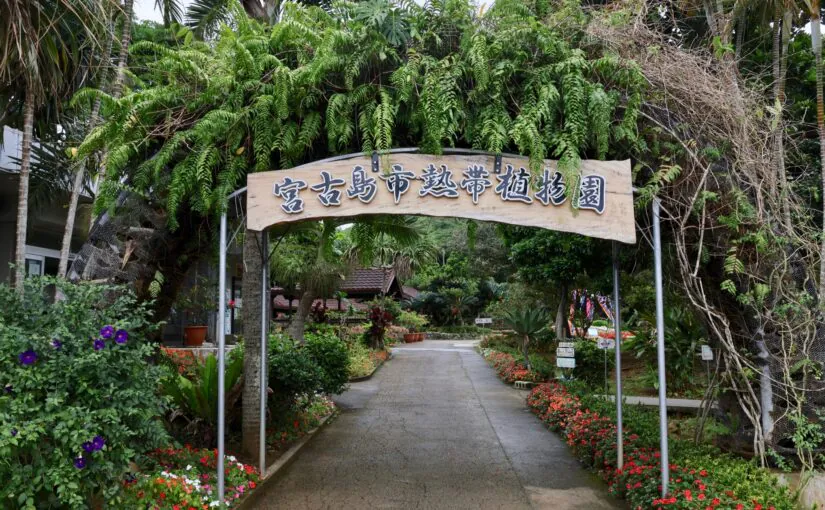
Not far from Taira city centerMiyakojima City Tropical Botanical Gardenis a calm environment with lots of greenery.
The myaquat toads are sometimes seen at night in grassy areas around the park and near planted areas.
Its proximity to the city center and easy accessibility is also a plus.
Access: 10 minutes by car from Miyako Airport
(3) Farm road with sugarcane fields (Jobe/Ueno area)
In the Jobe and Ueno area in the southern part of Miyako Island,Vast sugarcane fieldsis spreading.
The area along the farm road is rich in insects and is a favorite feeding ground for the Miyako toad.
If you drive or walk slowly along farm roads at night, you may see a myaquat toad crossing the road.
Manners when you meet
Even if you meet a Miyako toad,Capturing and taking home is prohibited.The company has been
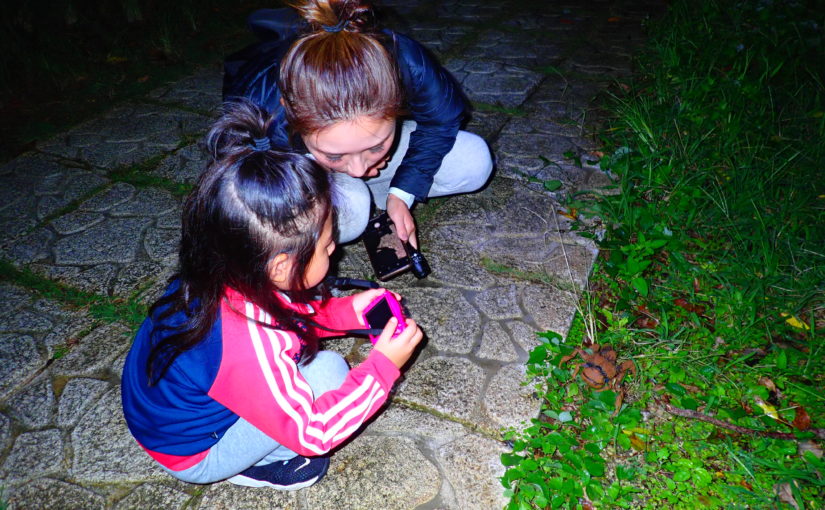
Limit yourself to observing and only enjoy taking pictures.
If you touch it, remember that it is poisonous.
Care should also be taken to avoid excessive stimulation such as flash photography.
We would like to carefully protect the unique creatures of Miyako Island for everyone who visits.
on the Miyako toad
Frequently Asked Questions (FAQ)
summary
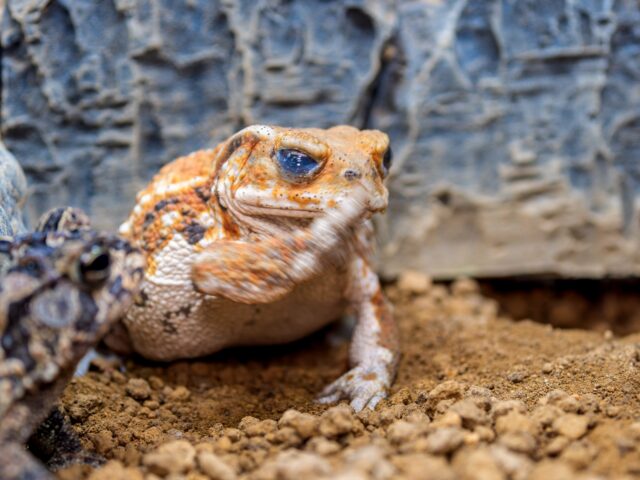
Miyako toads are unique amphibians that live on Miyako Island.
Because they are poisonous, they need to be handled with care, but with the proper knowledge, they can be fun to keep.
On Miyako IslandCapturing and taking home is prohibited by ordinance.If you encounter them during your trip, just observe them gently.
The presence of these small frogs is a testament to the rich nature of Miyako Island.
I would like to have a good relationship with the creatures of Miyako Island while observing the rules!
↓Click here to read the article.