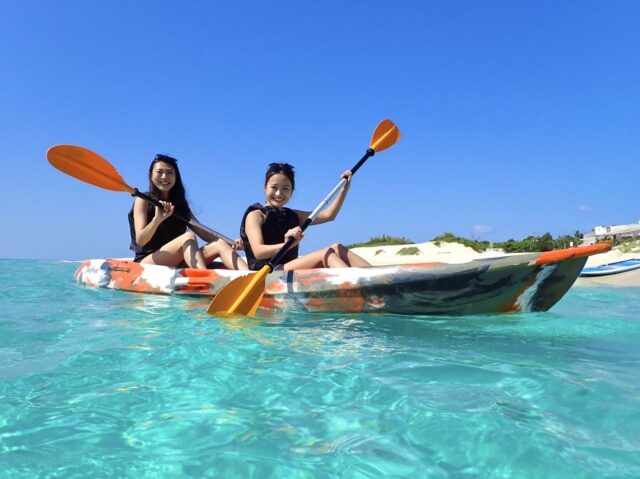




17 Creatures of Miyako Island! Includes tours to search for plants and animals unique to Miyako Island!
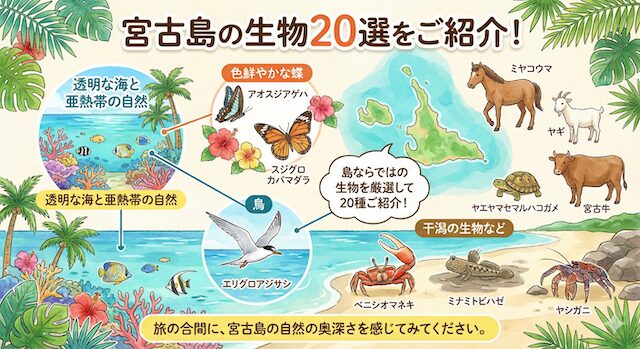
Introducing 20 creatures of Miyako Island!
Miyako Island is home to a diverse array of creatures nurtured by the clear waters and subtropical nature.
Colorful butterflies, birds, and tidal flat creatures,20 carefully selected species unique to the islandIntroduction.
◆Love photography and observing living creatures
◆Those who want to enjoy nature on their trip to Miyako Island.
◆Those who want to know about the unique creatures of the island.
◆Those who want to have fun while learning with their children.
In between trips, feel the depth of nature on Miyako Island!
Click here to see the ranking of popular plans in Miyako Island
Miyako Island Organisms 1
jimble (Carybdea rastoni)
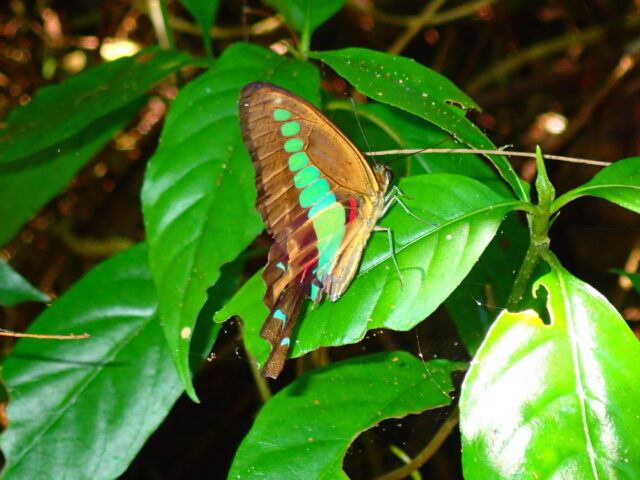
The Aosia swallowtail is a beautiful butterfly with black wings and a blue-green banded pattern.
It is characterized by a blue-green banded pattern, which looks different depending on the way the light hits it.
On Miyako Island, they can be seen from spring to autumn, and their quick flight around forest edges and parks is impressive.
Miyako Island Organisms 2
African myna (species of mynah bird, Acridotheres tristis)
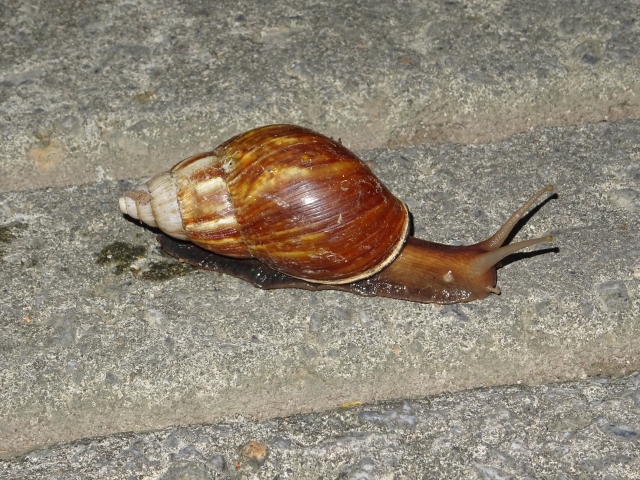
The African mai mai is a right-handed terrestrial mussel that can reach a shell length of more than 10 cm and weigh more than 200 g as an adult.
The shell has vertical stripes from the tip to the shell mouth, and the number of layers increases as the shell grows. They are found in grassy areas adjacent to fields and in shady, moist areas such as bushes, and are active at night.
Although it is a member of the mollusk family, it is resistant to desiccation because it forms a membrane with a gelatinous substance at the mouth of its shell.
Miyako Island Organisms 3
Pieris melete (species of cabbage white tern)
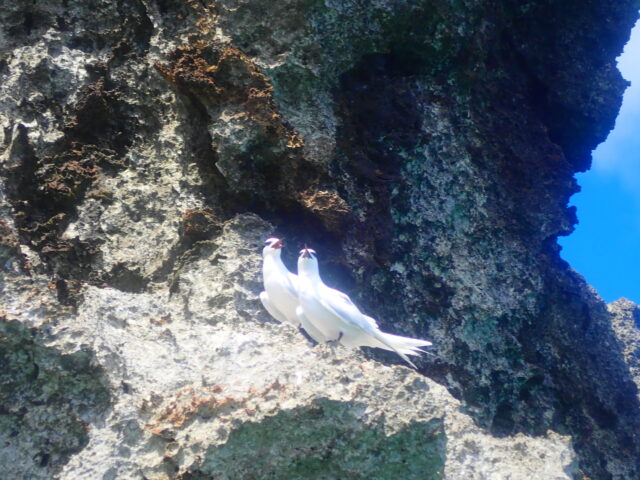
The Erythrox tern is a 31-cm-long summer bird that breeds on rocky reefs and inhabits beaches and rivers.
The back of the head, beak, and legs are black, and the tail is long.
They fly and breed south of Amami-Oshima Island during the summer season.
They can be seen flying over the ocean, preying on fish, squid, and crustaceans.
Miyako Island Biology 4
Okinawa broad-winged wagtail (Motacilla okinawae)
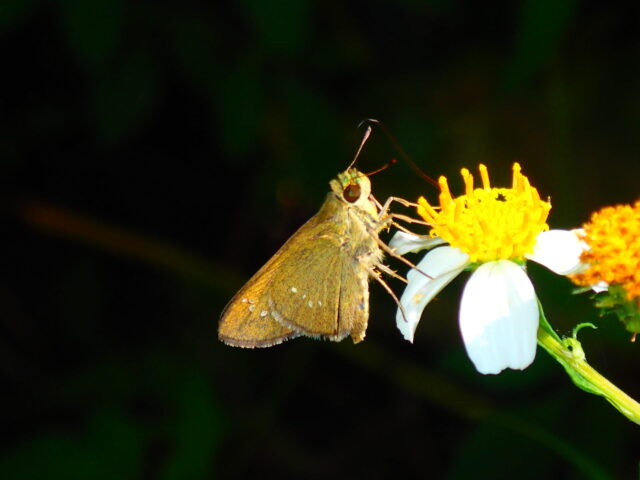
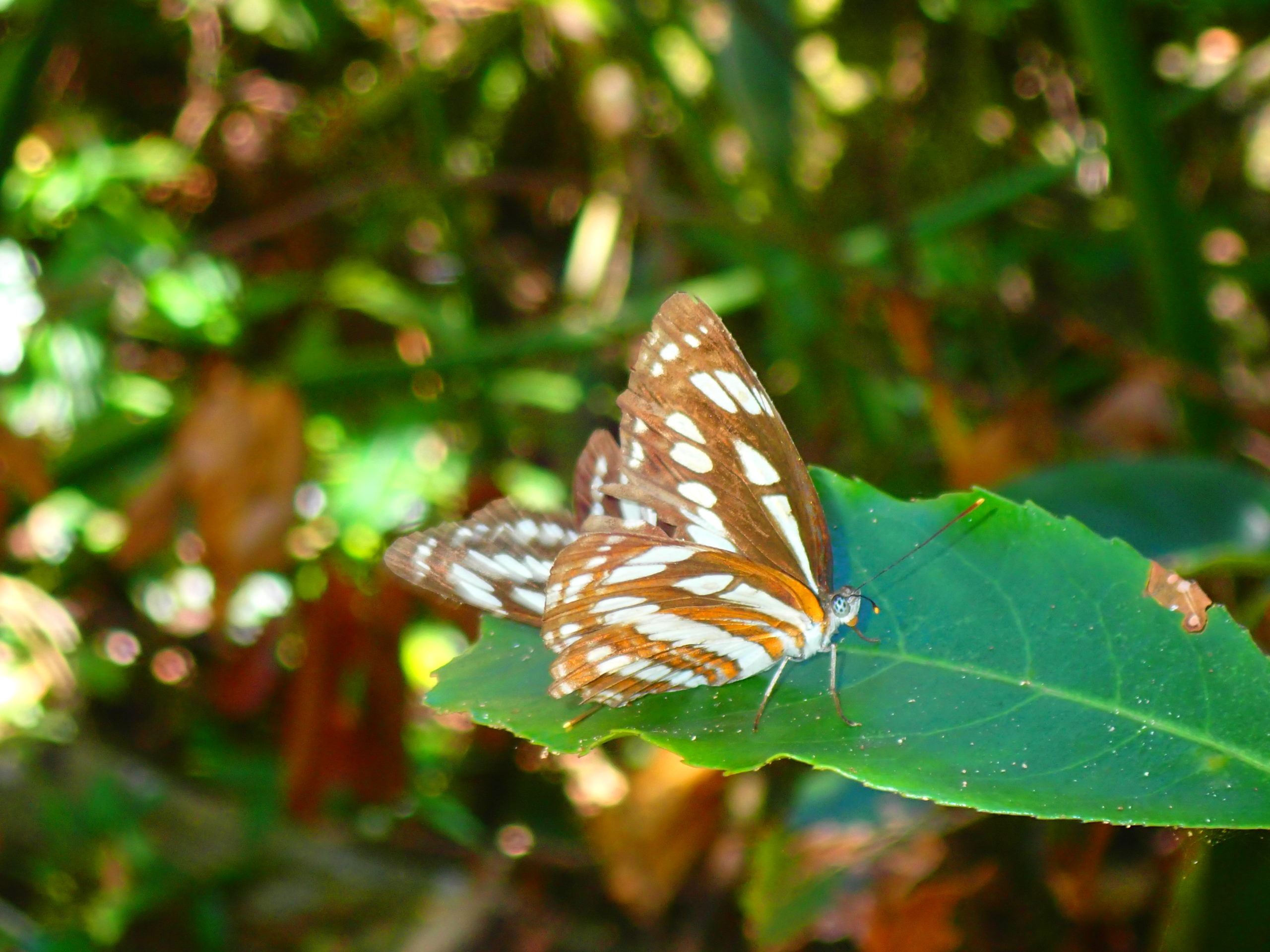
The Okinawa Broad-winged Serpentine is a butterfly species with a banded white pattern on the underside of its brownish wings.
In the mountains of Miyako Island in early spring, you can see them feeding on the nectar of flowering plants such as the sandalwood.
They fly so fast that it is difficult to take pictures while they are in flight, so aim for when they are perched on a flower and release the shutter.
Miyako Island Biology 5
Cryptotympana facialis (species of cicada)
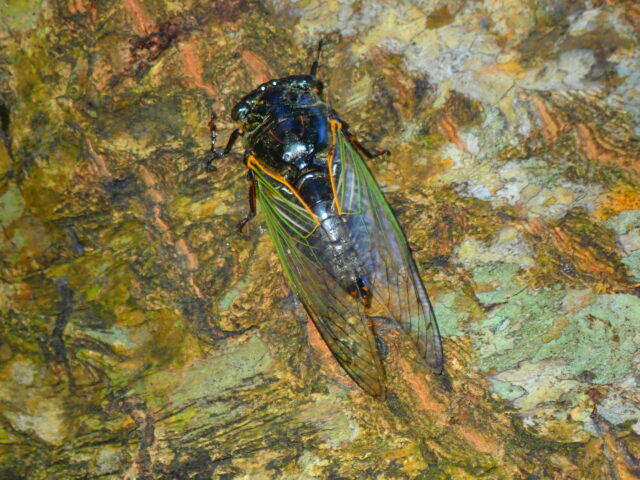
The kuma-zemi is Japan's largest cicada with an overall black body and transparent wings, a very major species also found in Honshu.
Originally abundant in southwestern Japan, it has expanded its distribution to the Kanto region as a result of global warming.
It is often seen in the summer months from July to September.
Miyako Island Biology 6
Argiope amoena (an Oriental species of orb-weaving spider)
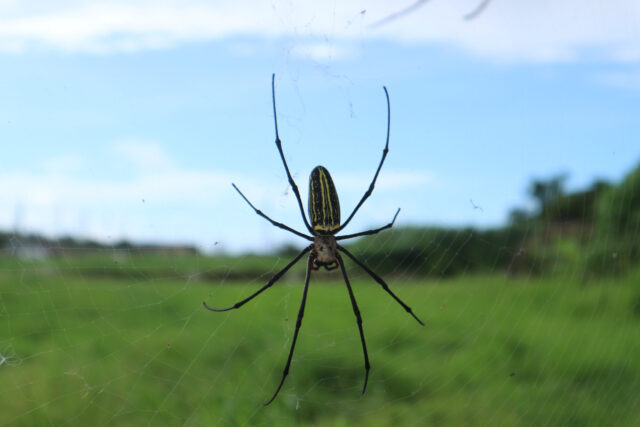
The jaw spider is a larger spider with a black border pattern on a yellow background that is most commonly associated with the so-called spiders.
Bites may occur when provoked, but are usually less serious. Avoid touching them unnecessarily.
Because it is one of the larger species of spiders, it is said to eat large cicadas, butterflies, wasps, and even small birds.
They hatch in mid-May after spawning and are said to mature around summer.
Therefore, it is during the summer season that you will encounter jawed spiders of this size.
Miyako Island Biology 7
blacktip reef butterflyfish (Chaetodon melannotus, species found in the Indo-Pacific)
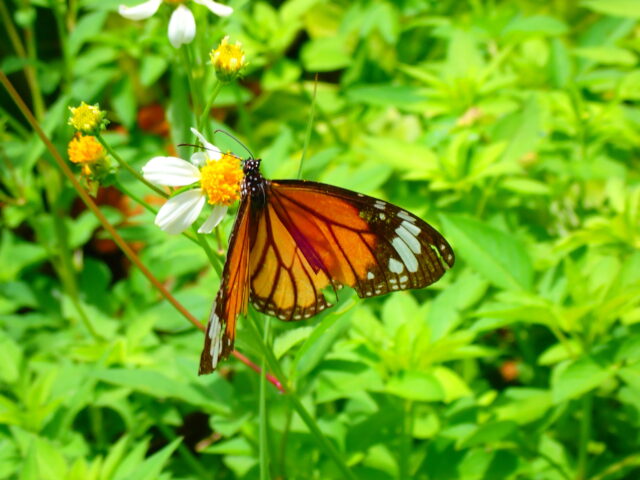
The Sleeping Gray Butterfly is a beautiful butterfly with a forewing length of around 40 mm and black lines on an orange background that lives on Miyako Island and southward.
As larvae, they feed on the leaves of Lantana, Lantana densa, Lantana hollandica, Lantana lanceolata and Lantana densa, while as adults they suck the nectar from the flowers of Lantana, Lantana hollandica, Lantana botanica and Lantana densa.
Miyako Island Biology 8
mining bee (esp. the common bee, Xylocopa appendiculata circumvolans)
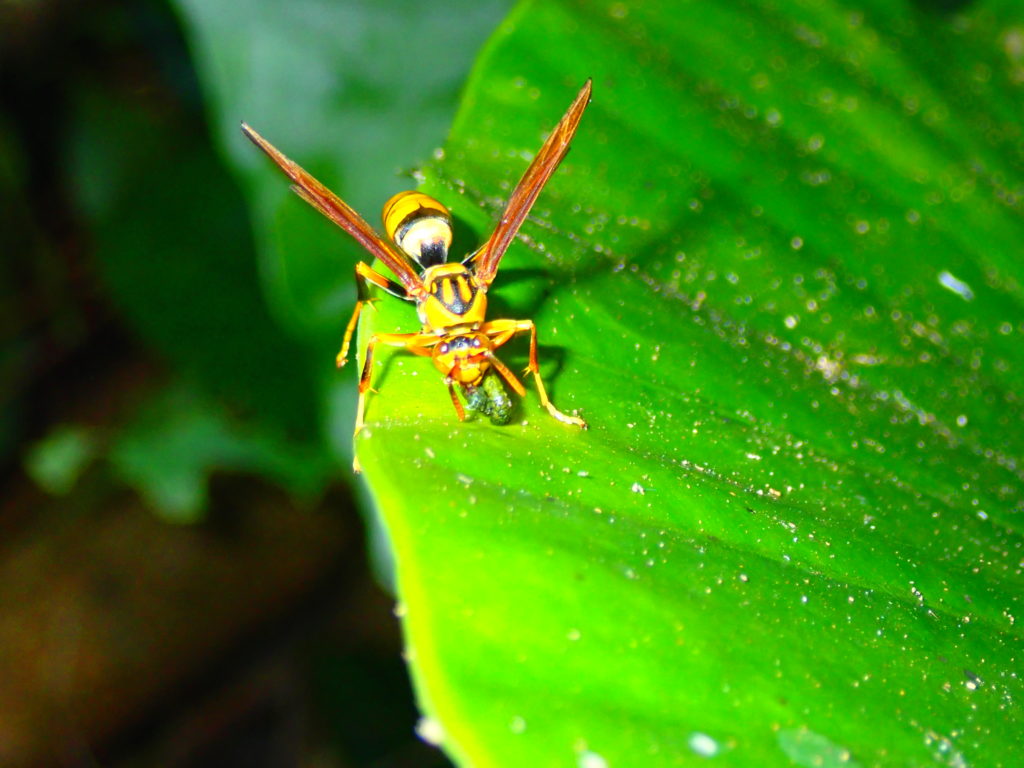
As the name implies, the chibi cyprinid bee is a species of reed warbler with a smaller body size than the other species.
They are about 10 mm long and live in nests on the undersides of sugarcane and awn leaves.
The species, the founding female, begins nesting in early spring, and activity peaks in the summer.
Although the sting of the Chibi Anacardiidae is considered less painful than that of other Anacardiidae because it is smaller than other species, the sting is still painful. However, the sting is painful, and a second sting can cause anaphylactic shock, so extreme caution is required.
If you see one when you are a tourist, never approach it.
Miyako Island Biology 9
Dungeness crab (Metacarcinus magister)
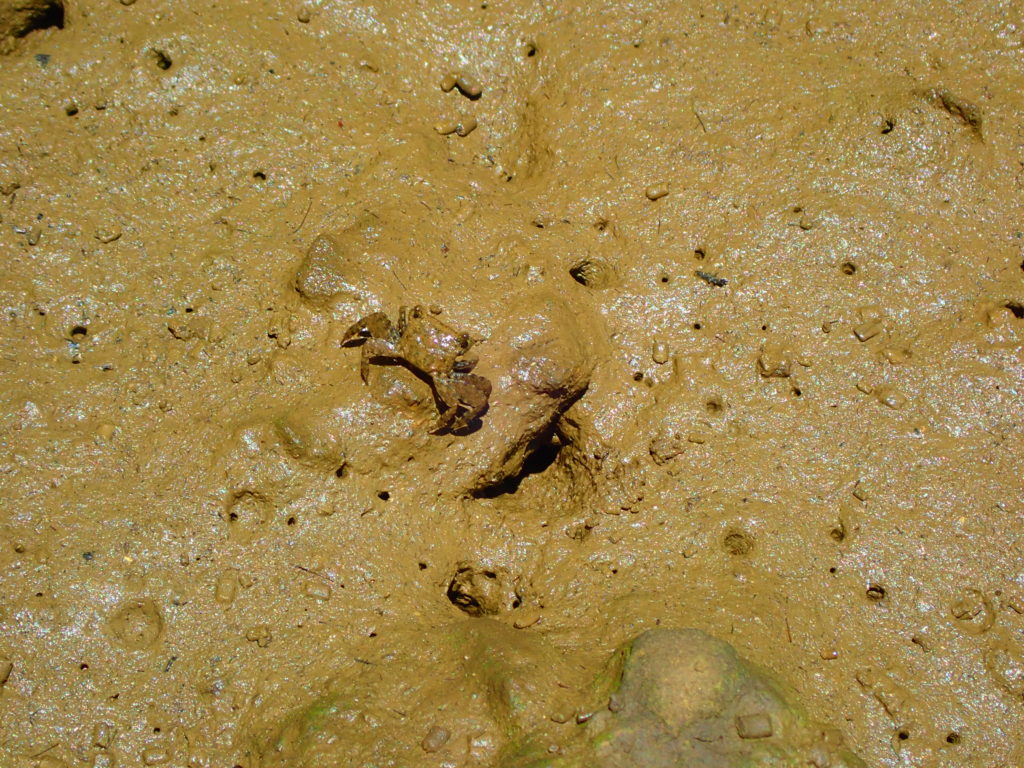
As the name suggests, the hirgi-hirgi-hashirii crab is a small crab that lives on mud flats where hirgitaceae plants grow in clusters.
They are highly agile and run away very fast when seen in daylight.
At night, it is difficult for them to escape even if you find them and shine a light on them, so we recommend that you look for them at night if you want to take pictures of them.
They can be seen feeding on the aerial root attachments of Yaeyama hirugi.
The trapezoidal carapace is ochre with a purplish body color, and the scissors are also purplish.
They are often found at the base of mangroves or in culverts, so look for them during river activities.
Miyako Island Biology 10
Eviota japonica (species of pygmy goby found in Japanese waters)
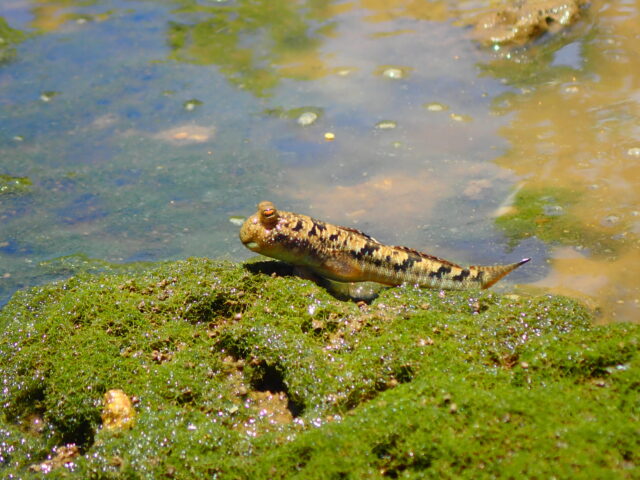
The southern flying goby is a tropical goby.
It is distributed south of Tanegashima Island and inhabits tidal flats in brackish water of rivers and around mangroves.
As the name suggests, you can see the cute little creatures bouncing around on the mud flats.
Miyako Island Biology 11
mountain zebra (Equus zebra)
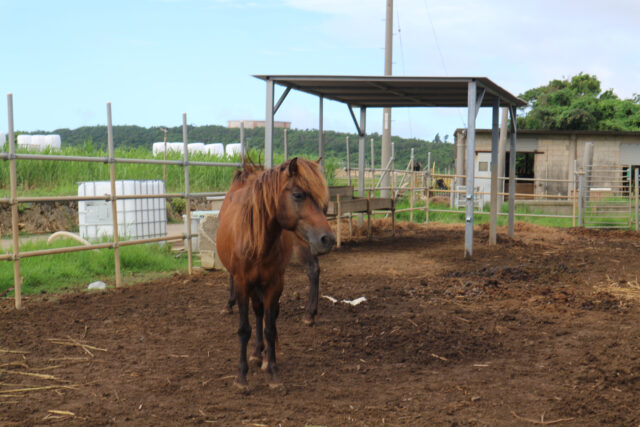
Miyako-uma, one of the eight species of native Japanese horses, is a natural treasure of Okinawa Prefecture.
With thick, hard hooves, they were used for transporting goods and farming even before the Industrial Revolution.
They were also an indispensable part of the labor force, as they could survive on a poor diet. After the Industrial Revolution, mechanization increased and the use of Miyako-uma decreased, and for a time they were on the verge of extinction.
However, as a result of the establishment of the Miyako Horse Preservation Task Force in 1977 and protection activities, the number of horses has been able to increase.
We invite you to come and meet the miyako-uma, which run through the pastures of Miyakojima with energy and vigor.
Miyako Island Biology 12
Murasakia oyster (Crassostrea gigas)
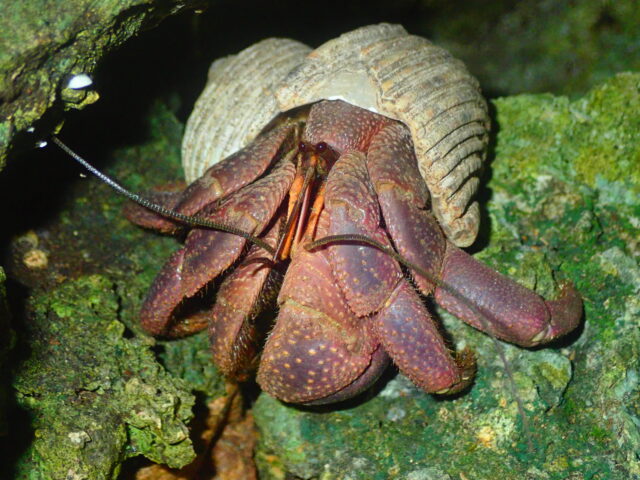
Murasaki hermit crabs belong to the genus Hermit Crab and live on land in tropical regions.
The eye pattern is flattened, and young specimens are mostly white, but as they grow, they become a rich variety of colors, including white, blue, violet, and orange-purple, making them very beautiful.
It is one of the most precious species designated as a national natural treasure.
Miyako Island Biology 13
spangle (species of swallowtail butterfly, Papilio protenor)
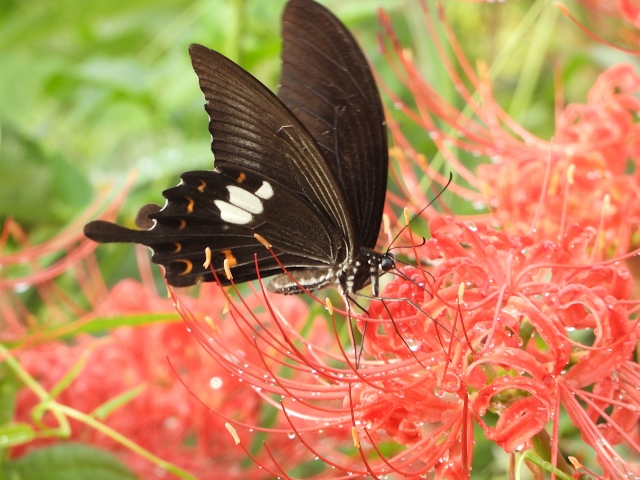
The Monki Swallowtail is the largest swallowtail butterfly in Japan.
The wings of this species are broad and have a distinctive yellow crest.
Even when flying, the yellowish-white crests on the hind wings are clearly visible and very beautiful.
The season is from May to September, so you can see them if you visit during the summer.
Miyako Island Biology 14
Yaeyama semaruga (species of tortoise, Semaruga pachyrhynchus)
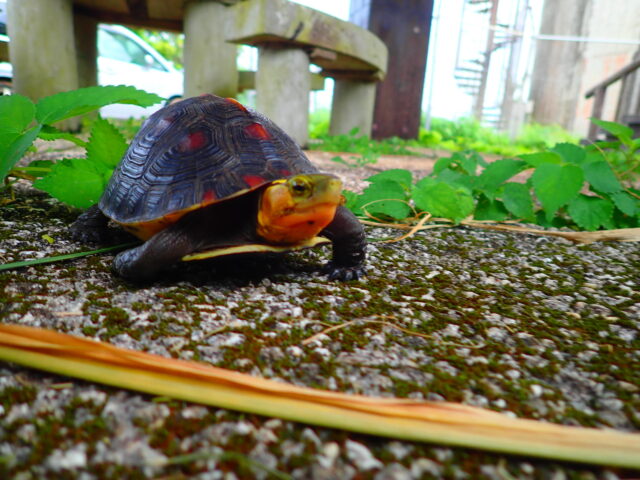
The Yaeyama semalwart turtle is a box turtle that inhabits only some of the remote islands of the Yaeyama Archipelago.
The head, legs, and tail are hidden inside the carapace, and the ventral carapace hinges to form a box-like seal of the turtle.
It is a national natural treasure found on the moist forest floor.
You may encounter them as you explore the jungles of Miyako Island.
Miyako Island Biology 15
goat
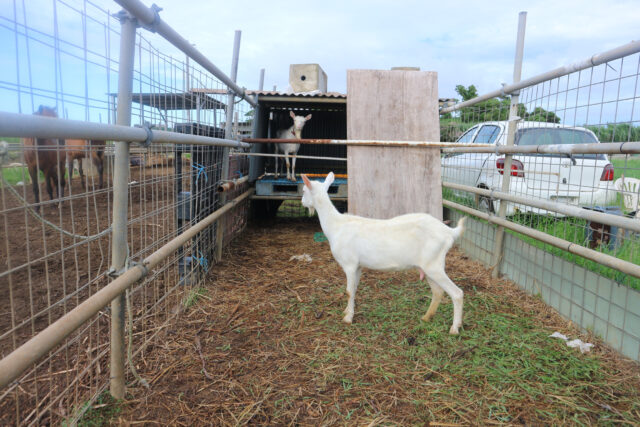
Goats have been bred for a long time because they are disease-resistant and strong, and they easily adapt to people.
A single goat can graze as much as 5,000 square meters a year, and it appears that they can be kept in the wild.
It is also used for weeding.
Goat milk and meat are also used as food, and the creatures have had a deep relationship with Yaeyama, including Miyako Island, throughout its long history.
Miyako Island Biology 16
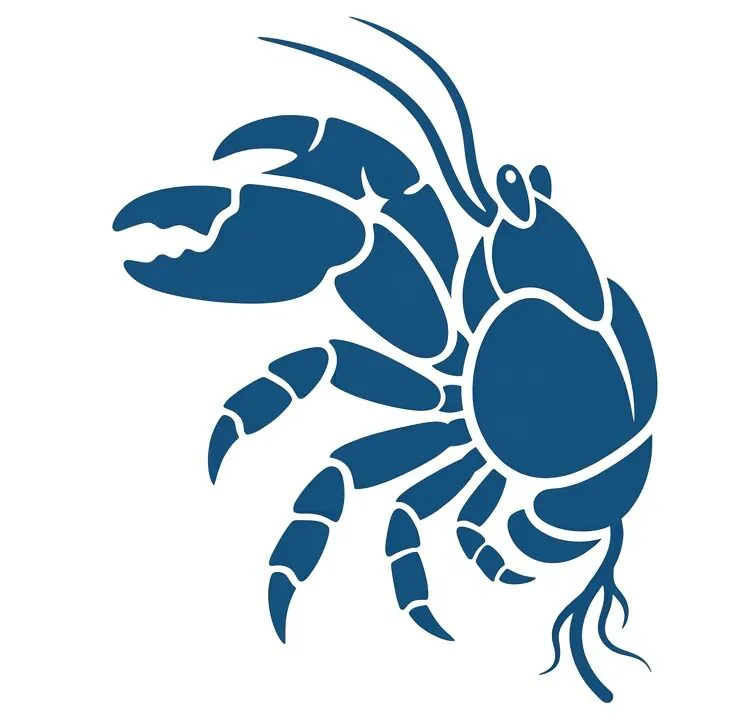
coconut crab (Birgus latro)
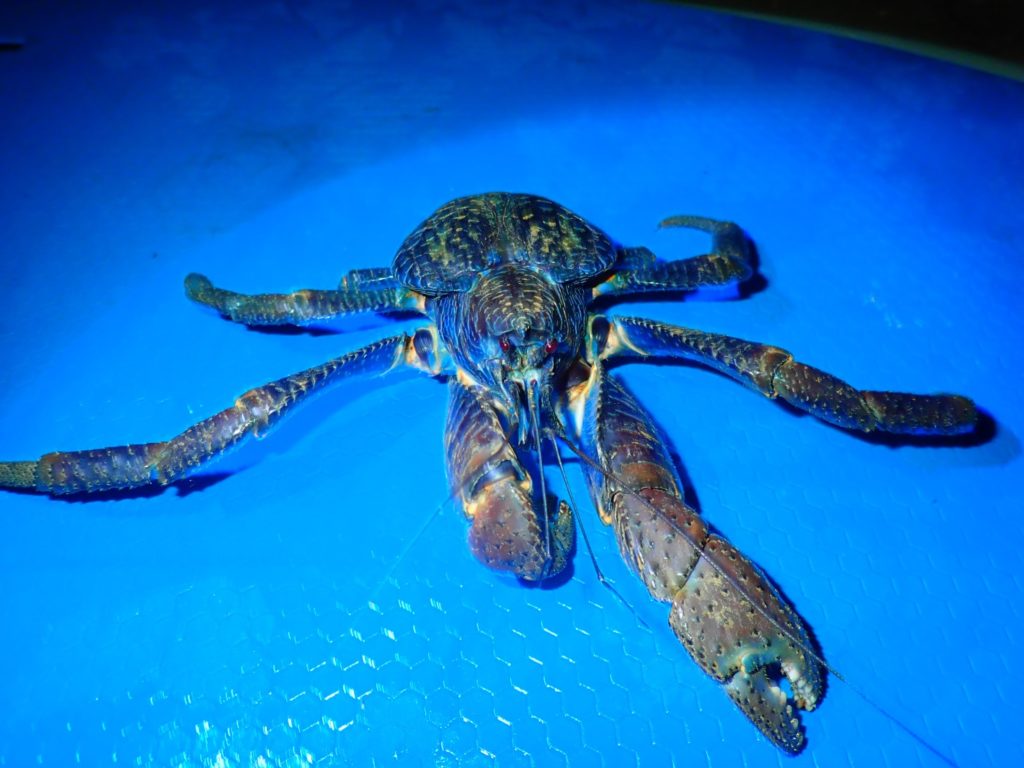
Hermit crabs are large nocturnal crustaceans that inhabit the Miyako and Yaeyama Islands. Even though they are hermit crabs, they do not carry shells on their backs; their backs are covered by their shells.
It is said that during the evolutionary process of increasing body size, the shell could no longer be carried, and a shell was formed out of necessity.
Nocturnal, during the day they hide and rest in the shade of rocks, under rocks, and in vegetation near the shore. At night, they become active and are often found in thickets and mountainous areas near the sea.
Miyako Island Biology 17
Miyako beef
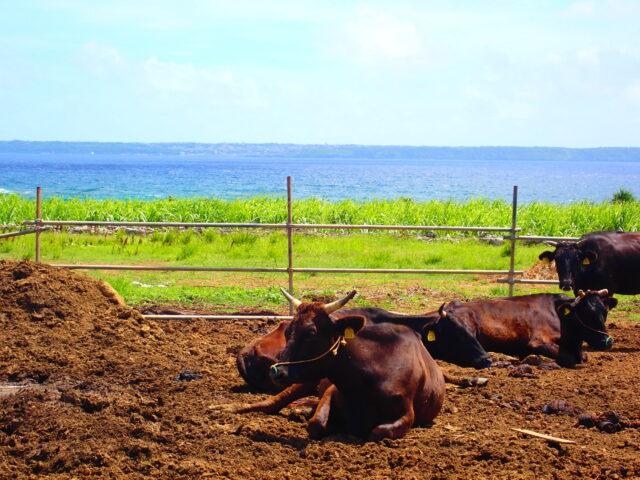
Miyako Beef is bare cattle that have been produced and raised in the Miyako area under the conditions, and have a certificate of registration and production history.
The meat is very tender and has an elegant sweetness because it is raised in the rich nature and stress-free environment of Miyako Island.
It is a very popular brand of beef with a rich flavor but with a refreshing aftertaste.
It is a rare brand of beef whose distribution is limited and cannot be easily tasted outside the island.
about the creatures of Miyako Island.
Frequently Asked Questions (FAQ)
summary
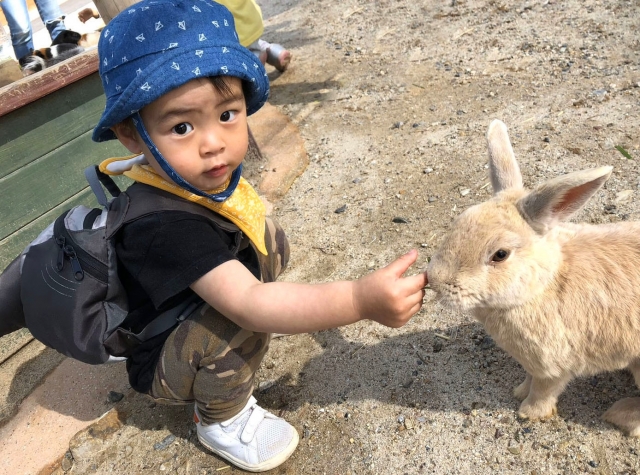
We have introduced some of the creatures of Miyako Island. How was it?
There were Miyako horses and Miyako cows native to Miyako Island, as well as coconut crabs peculiar to the subtropical zone.
Please check out the Jungle Night Tour and other tours where you can meet the creatures of Miyako Island!
Thank you for reading to the end.
▼Click here for articles to read in conjunction with this article.